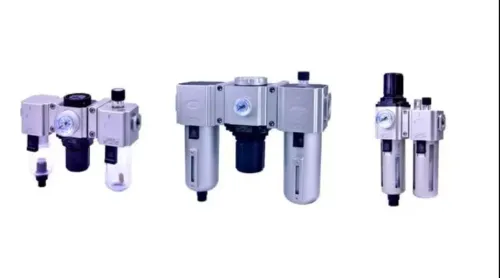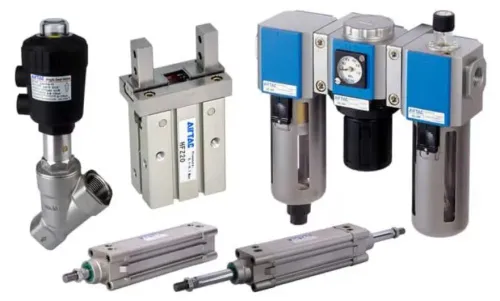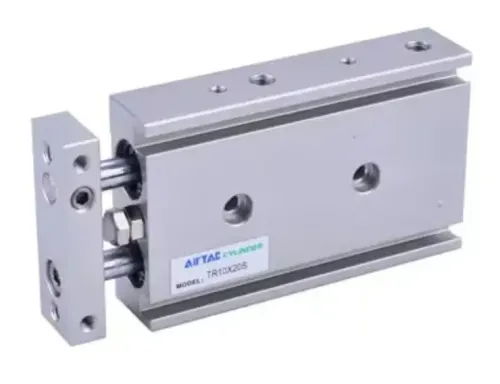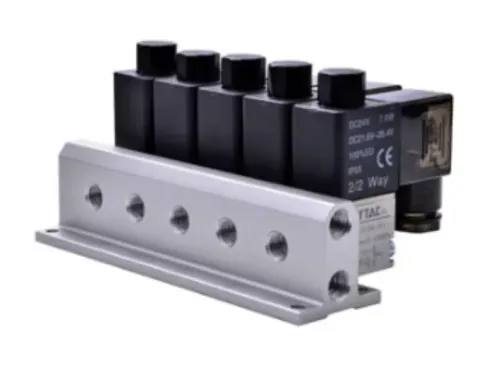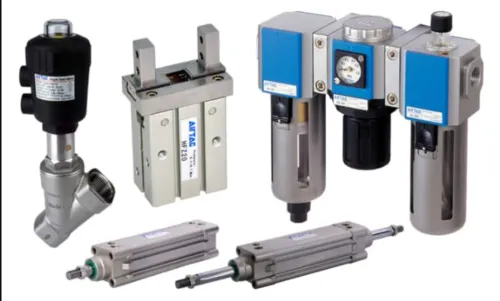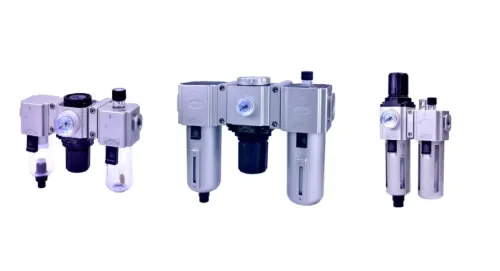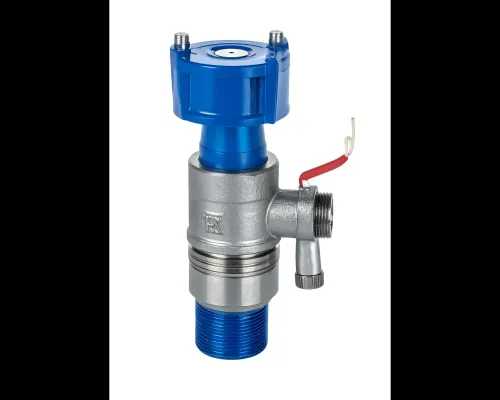
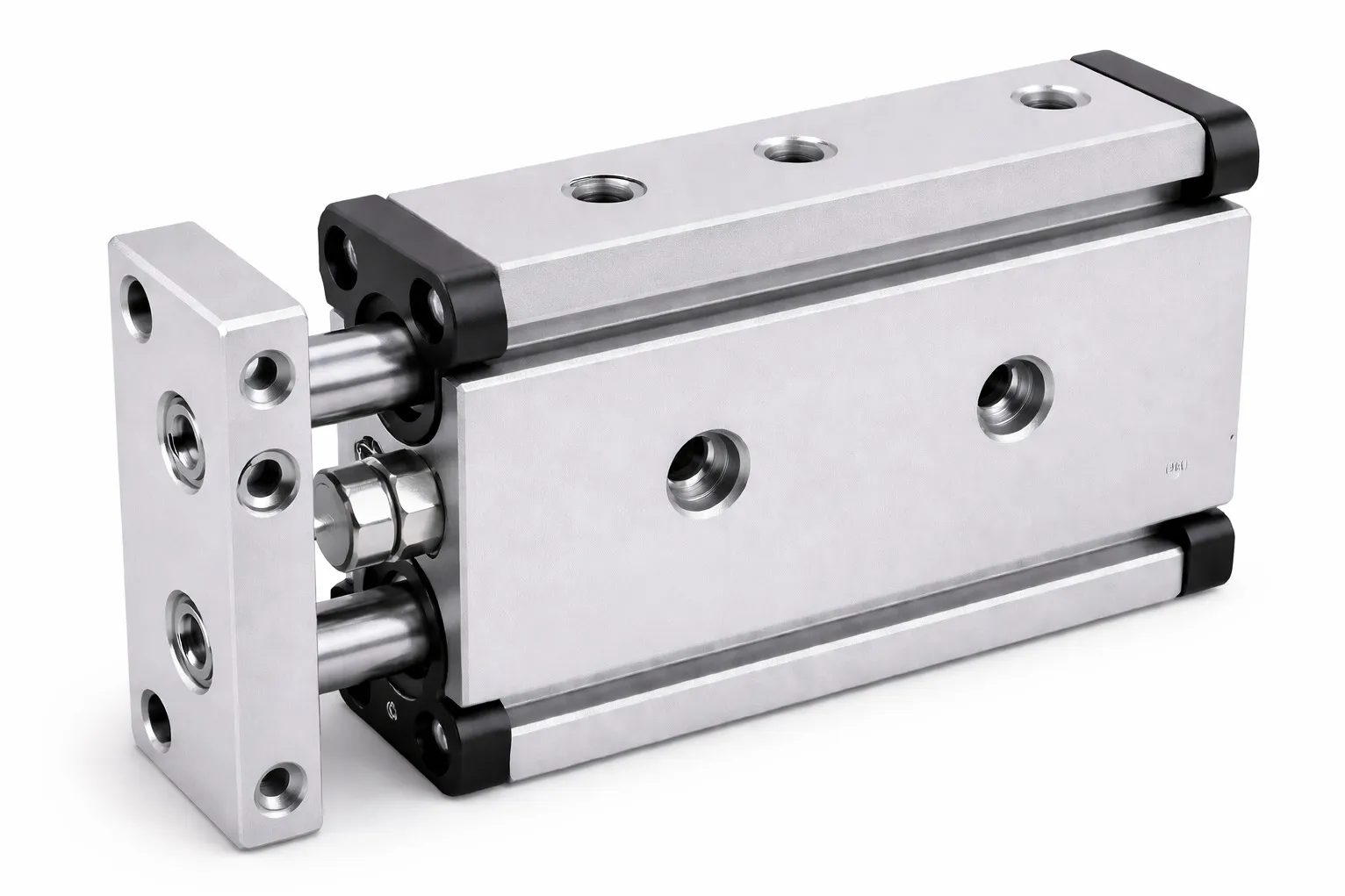
An Air Cylinder converts compressed-air energy into linear mechanical movement. It may push, pull, lift, clamp, position or eject a component depending on the machine design. Because the cylinder performs the physical work of a pneumatic circuit, choosing one requires more than matching its overall dimensions.
For manufacturers in Bangalore, cylinder selection often begins with bore size and stroke. Bore influences the force the cylinder can generate at a given air pressure, while stroke determines how far the piston travels. Both should reflect the actual mechanical task.
Load requirements need careful evaluation. A cylinder should be selected according to the force needed to move or hold the load, with consideration for friction and other application factors. Choosing solely by comparing a new cylinder with the physical appearance of an old one can lead to incorrect performance.
Mounting is another important area. Pneumatic cylinders can be installed using different mounting arrangements depending on how movement needs to be transferred to the machine. The mounting method should maintain proper alignment and avoid unnecessary side loading on the piston rod.
When evaluating a cylinder, consider:
- Bore diameter
- Required stroke length
- Operating pressure
- Load and force requirement
- Single-acting or double-acting operation
- Mounting arrangement
- Port size
- Available machine space
- Required operating speed
- Cushioning requirements
- Working environment
Speed depends on more than the cylinder itself. Tubing diameter, valve flow capacity, exhaust conditions and flow controls can all affect how quickly the actuator moves. Replacing a cylinder with a larger unit will not automatically solve a slow-motion problem if airflow is being restricted elsewhere.
For industrial facilities in Peenya and other manufacturing areas of Bangalore, downtime can make correct replacement identification particularly important. Maintenance teams should retain specifications of critical cylinders rather than relying entirely on measurements taken after a failure. Model details, bore, stroke, port information and mounting dimensions can make sourcing easier.
Before replacing a cylinder, it is also worth identifying why the existing component failed. Misalignment, contaminated compressed air, excessive side load or inappropriate operating conditions may shorten cylinder life. Installing a new component without addressing the underlying cause can result in the same issue returning.
Hakimi Pneumatic & Hardware assists customers with pneumatic component requirements across Bangalore. Sharing accurate machine and cylinder specifications with the provider can help avoid trial-and-error selection.
A properly selected air cylinder should suit the required movement, force, mounting and operating conditions as a complete package. Looking beyond bore and stroke allows engineers and maintenance teams to make more informed decisions and build pneumatic motion systems that operate predictably.
Keywords